Browsed by
Category: Default

Guide to Safe and Effective Bat Removal Kansas City, MO: What You Need to Know

Guide to Safe and Effective Bat Removal Kansas City, MO: What You Need to Know

If you’re facing a bat issue in Kansas City, MO, it’s crucial to approach the situation with care and knowledge. You might not realize that understanding bat behavior is the first step in ensuring a safe and effective removal. Identifying their entry points and observing their habits can make all the difference. But what techniques can you use to remove them safely? And how can you prevent their return? The answers might surprise you and provide peace of mind for your home.

Understanding Bat Behavior

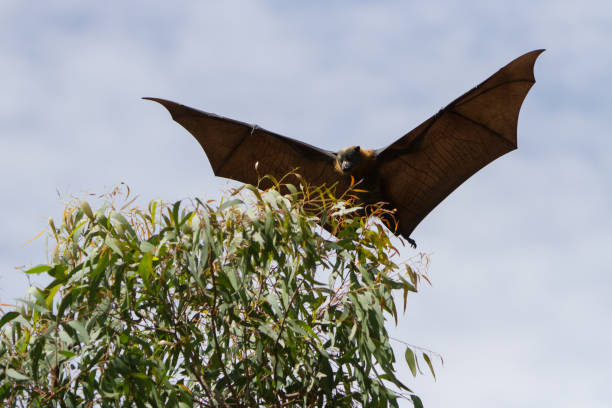
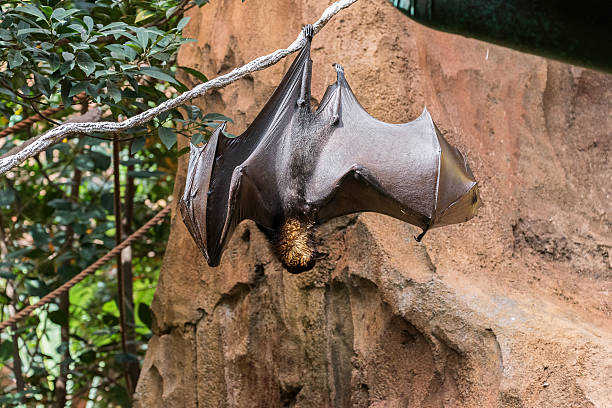
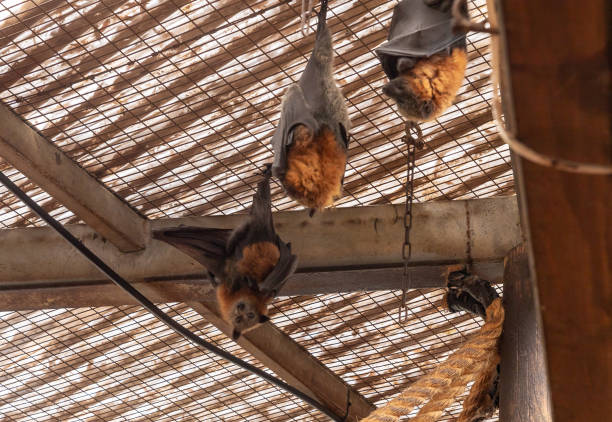
While you might think of bats as pests, understanding their behavior is key to effective removal. Bats are nocturnal creatures, meaning they’re active at night and seek shelter during the day. They often roost in dark, undisturbed areas, such as attics, eaves, and behind shutters. Knowing where they prefer to hang out can help you pinpoint their entry and exit points.

These animals are social and tend to live in colonies, so if you see one, there’s a good chance there are more nearby. Bats are also beneficial to the ecosystem; they control insect populations by consuming vast amounts of insects, including mosquitoes. Despite this, their presence in your home can pose health risks due to potential diseases like rabies and histoplasmosis.

Bats typically enter buildings through small openings, such as gaps in roofing or siding. It’s crucial to identify these entry points to prevent further access. Observing their flight patterns during dusk can also provide insights into where they’re entering. By understanding these behaviors, you can develop a more effective strategy for dealing with bats in your space.

Safe Removal Techniques

When it comes to safely removing bats from your home, a few essential techniques can make the process smoother and more humane. First, it’s crucial to identify when bats are most active. Early morning or late evening is typically the best time to attempt removal since they’ll be out foraging.

Next, you’ll want to create an exit route for the bats. This can be done by opening windows or doors that lead outside. Avoid trying to physically chase or capture them, as this can lead to stress and potential injury for both you and the bats.

Using a one-way exclusion device is highly effective. This device allows bats to leave but prevents them from re-entering your home. Once you’ve installed the device, give the bats time to exit before sealing any entry points.

Prevention Strategies

Effective prevention strategies are vital for keeping bats out of your home and ensuring peace of mind. Start by inspecting your property for potential entry points. Check eaves, vents, and gaps in siding—bats can squeeze through surprisingly small openings. Seal any cracks or holes with durable materials like steel mesh or caulk.

Next, consider the lighting around your home. Bats are attracted to dark, secluded areas, so installing bright outdoor lights can deter them. You might also want to eliminate any food sources by keeping your trash securely closed and reducing insect populations through proper landscaping.

Additionally, maintaining your attic and roof is essential. Regularly clean and inspect these areas to ensure they’re bat-free. If you find signs of bats, act quickly. It’s better to address the issue before they establish a colony.

Lastly, educate your family on the importance of keeping doors and windows closed, especially during dusk and dawn when bats are most active. By taking these proactive steps, you’ll significantly reduce the chances of bats invading your home, allowing you to enjoy a worry-free environment.
Read more: https://kansascitywildlifepestcontrol.com/animal-and-wildlife/bat-removal/kansas-city-bat-removal/
Why DIY Bat Removal Can Be Dangerous?

Why DIY Bat Removal Can Be Dangerous?

You might think tackling a bat problem on your own is a straightforward task, but the reality is far more complex and hazardous. The risks of exposure to diseases like rabies from bites, along with health issues stemming from bat droppings, shouldn’t be underestimated. Plus, if you disturb a protected species, you could face legal consequences you never anticipated. Many DIY approaches simply don’t work, as bats are surprisingly resilient creatures. So, before you grab that ladder, consider what you might be overlooking—there’s more at stake than just a few flying nuisances.

Health Risks of Bat Removal

When it comes to DIY bat removal, there are several health risks you should be aware of. Bats can carry diseases, the most notable being rabies. If you’re bitten or scratched while trying to remove a bat, you could be at risk of contracting this serious illness. Even if you’re not directly bitten, handling bats or their droppings can expose you to other pathogens.

Histoplasmosis is another concern, a respiratory disease caused by inhaling spores from bat droppings, known as guano. This can lead to severe lung issues, especially for those with weakened immune systems. It’s crucial to wear protective gear, like masks and gloves, to minimize exposure.

Additionally, bats can be aggressive if they feel threatened. Attempting to remove them without proper knowledge or tools can lead to injuries from bites or scratches. You may also encounter nests of young bats, which could provoke the mother bat to defend her young, increasing the risk of attacks.

In short, while you might feel confident tackling a bat problem yourself, the health risks involved should give you pause. It’s often safer to consult a professional.

Legal Considerations

Navigating the legal landscape surrounding bat removal can be tricky, especially since many species are protected by law. If you’re considering a DIY approach, you might unknowingly violate local, state, or federal regulations. For instance, in some areas, it’s illegal to disturb or harm bats during their roosting season, which can vary depending on the species.

You may think that sealing off entry points or using repellents is harmless, but these actions can inadvertently lead to serious legal issues. If you end up trapping bats inside your home, you could face fines or be required to hire a professional to safely relocate them. Plus, if you’re caught attempting to remove a protected species, the penalties can be severe, including hefty fines or even potential jail time.

Before taking any action, it’s vital to research your local laws and consult with wildlife authorities. They can provide guidance on appropriate removal methods that comply with regulations. In short, it’s best to leave bat removal to licensed professionals who understand the legalities and can ensure both your safety and the bats’ protection.

Ineffectiveness of DIY Methods

Even if you manage to navigate the legal complexities of bat removal, the methods you might choose to employ on your own often prove ineffective. Many DIY approaches, like using repellents or sealing entry points, may not work as you expect. Bats are highly adaptable creatures; they can easily find new ways to enter your home or ignore deterrents altogether.

You might think that creating noise or using natural repellents will drive them away, but these tactics rarely yield the desired results. Bats often become accustomed to disturbances, rendering your efforts futile. Additionally, trapping bats can lead to unintended consequences. If you try to capture them yourself, you could inadvertently harm the animals or expose yourself to potential diseases, like rabies.

Moreover, even if you succeed in removing a few bats, it doesn’t address the root cause of the problem. Without a comprehensive understanding of their habits and habitat needs, you’re likely to face a re-infestation sooner or later. Ultimately, relying on DIY methods for bat removal can lead to wasted time, effort, and money, while putting you and the bats at risk. It’s often best to consult a professional.

Signs You Need Professional Bat Removal in Kansas City, MO: Don’t Ignore These Warning Signals

Signs You Need Professional Bat Removal in Kansas City, MO: Don’t Ignore These Warning Signals

If you’ve started to notice unusual noises coming from your attic at night or have spotted droppings that look suspiciously like mouse feces, it might be time to consider a professional bat removal service in Kansas City, MO. Frequent daytime sightings of bats can be alarming, and the strong, ammonia-like odors could indicate a more serious problem. Ignoring these signs could lead to health risks and costly repairs, but how do you know when it’s critical to take action? Understanding these warning signals can help protect your home and well-being.

Unusual Noises in Your Attic

If you’ve been hearing strange sounds echoing through your attic, it could be a sign of unwelcome guests. Bats are notorious for making their presence known through a variety of noises, especially during dusk and dawn. You might hear scratching, squeaking, or fluttering sounds as they move around, looking for a cozy place to roost. These noises can be unsettling, and it’s essential to pay attention to them.

Bats are nocturnal creatures, so if you’re noticing these sounds primarily at night, it’s a strong indication that they’ve taken up residence in your attic. It’s also possible to hear them during the day if they’re disturbed or if there’s a larger colony. Ignoring these noises isn’t advisable, as they can lead to more significant issues down the line, such as property damage or health risks.

If you suspect bats are living in your attic, it’s best to act quickly. While it may be tempting to handle the situation yourself, professional bat removal is crucial for ensuring safety and effectiveness. They’ll assess the situation, identify entry points, and safely evict the bats, giving you peace of mind.

Visible Droppings and Urine

Strange noises in your attic can be a clear indicator of a bat infestation, but visible droppings and urine are even more telling signs. If you notice small, dark droppings resembling mouse feces, pay attention. These droppings, often referred to as guano, can accumulate near entry points or nesting areas, making it easier to identify a problem.

Urine stains may also appear, typically in the form of yellowish streaks or spots on walls and surfaces. The odor can be quite strong and unpleasant, often resembling ammonia. Both droppings and urine can pose health risks, as they may carry diseases like histoplasmosis, which can be harmful if inhaled.

If you’re seeing these signs, it’s crucial to act quickly. Ignoring them can lead to more extensive damage and a larger infestation. Cleaning up droppings and urine requires caution due to potential health hazards, and it’s typically best to leave it to professionals who know how to handle the situation safely and effectively. Don’t wait for the problem to escalate—if you see visible droppings or urine, it’s time to consider professional bat removal services.

Frequent Bat Sightings

Seeing bats frequently around your property can be a clear sign of an infestation. If you’re spotting them during the day or noticing them coming and going at dusk, it’s time to take action. Bats are nocturnal creatures, so day sightings often indicate that they’re roosting nearby, likely in your attic, eaves, or other hidden spaces.

You might also notice their erratic flight patterns as they search for food, or hear squeaking sounds coming from within your walls. These signs suggest they may have established a colony, which can lead to larger problems if left unchecked. Bats can carry diseases, and their droppings can cause structural damage to your home over time.

If you see bats regularly, don’t wait for the situation to worsen. The longer you wait, the more difficult and costly removal can become. It’s crucial to contact a professional bat removal service in Kansas City, MO, to assess the situation. They can safely remove the bats and help prevent future infestations, ensuring your home remains bat-free and safe for your family. Taking action now can save you headaches down the road.